

Hydrogen valleys and regional clusters: Hy2Market Day at European Hydrogen Week 2026
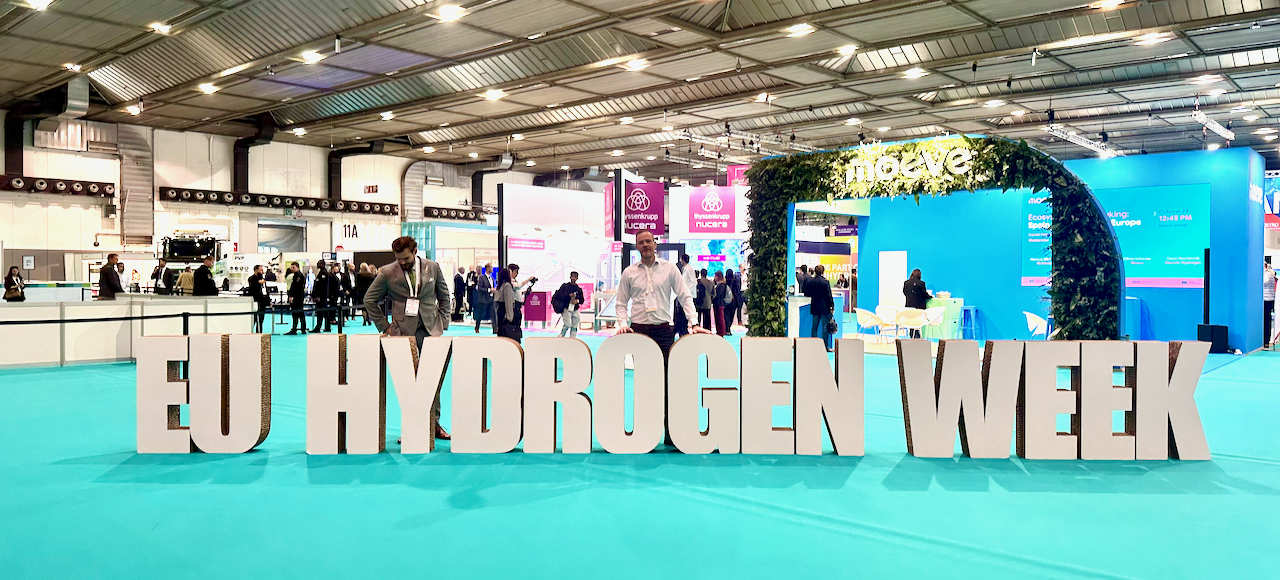
Now in its seventh edition, European Hydrogen Week brings the European hydrogen sector together in Brussels. Organised by Hydrogen Europe, the European Commission and the Clean Hydrogen Partnership, this year’s conference and exhibition ran from 26 to 28 October 2026 at Brussels Expo, with three stages covering policy, business and innovation. Organisers expected over 9,000 participants and more than 220 exhibitors. Alongside the headline debates, the Innovation Hub gave EU-funded projects and regional networks a place to show what is happening on the ground.
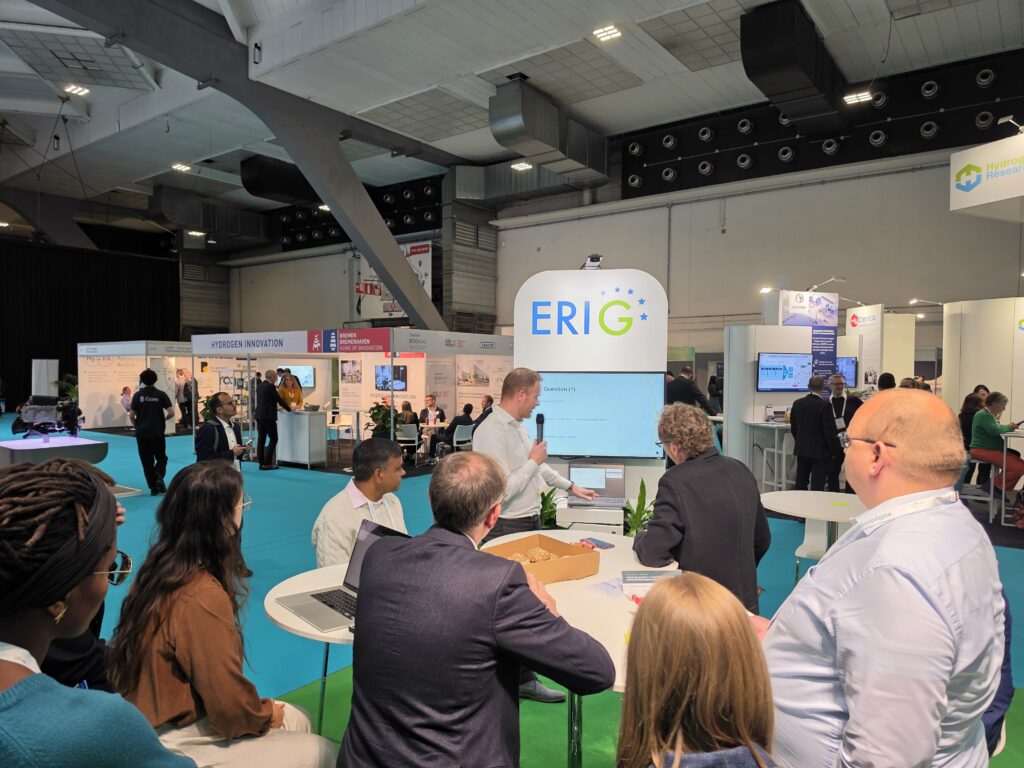
Tuesday 27 October was Hy2Market Day at the ERIG stand in the Innovation Hub, under the title “Hydrogen valleys and regional clusters”. Hy2Market ran three open sessions at the stand on skills and standardisation, policy priorities, and future project development.
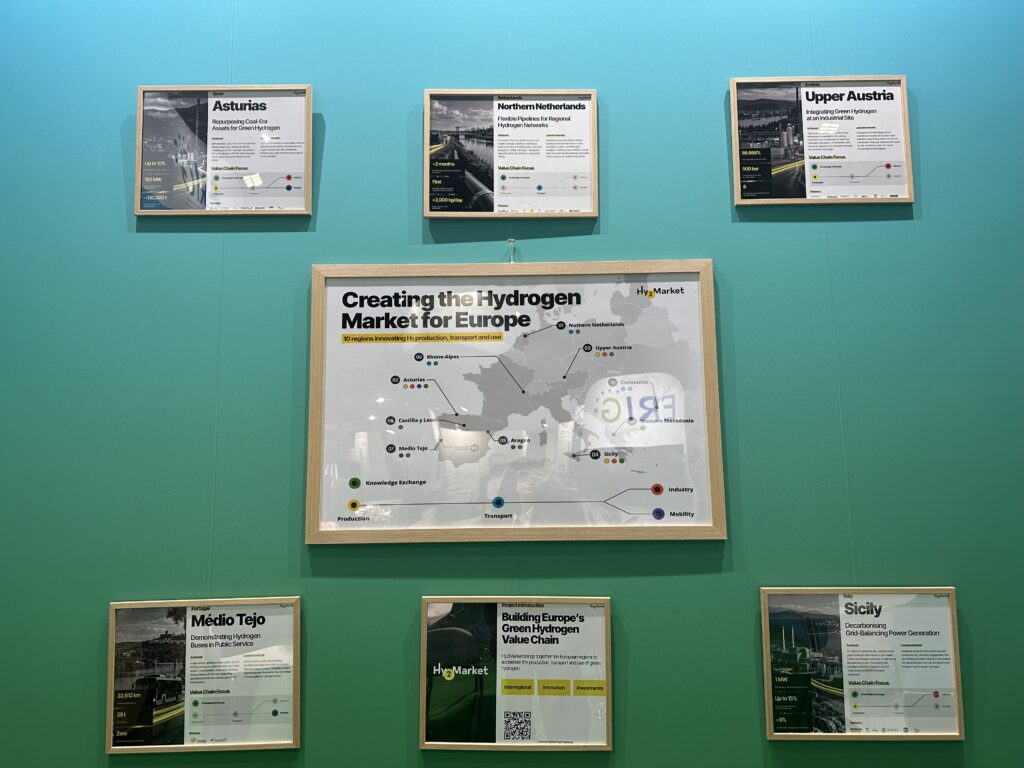
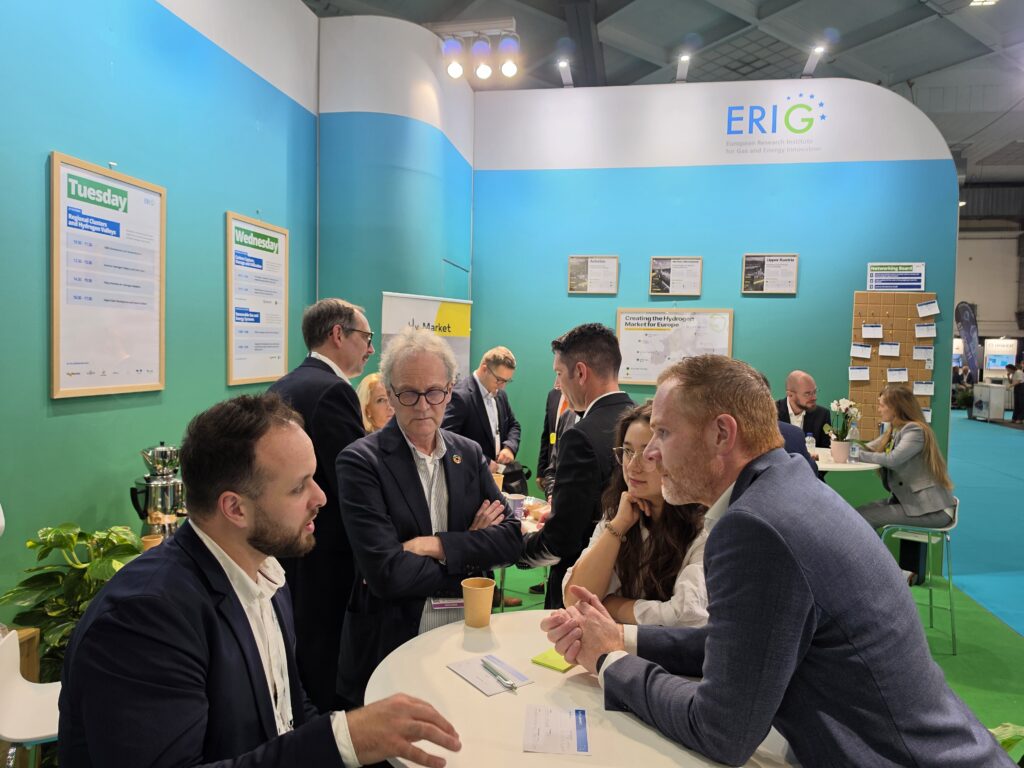
The stand was built around the project’s pilot regions. A wall map titled “Creating the Hydrogen Market for Europe” showed the role each of the ten regions plays along the hydrogen value chain, with spotlight panels on the pilots in Upper Austria, the Northern Netherlands, Sicily, Asturias and Médio Tejo, covering production, transport, industrial use and mobility.
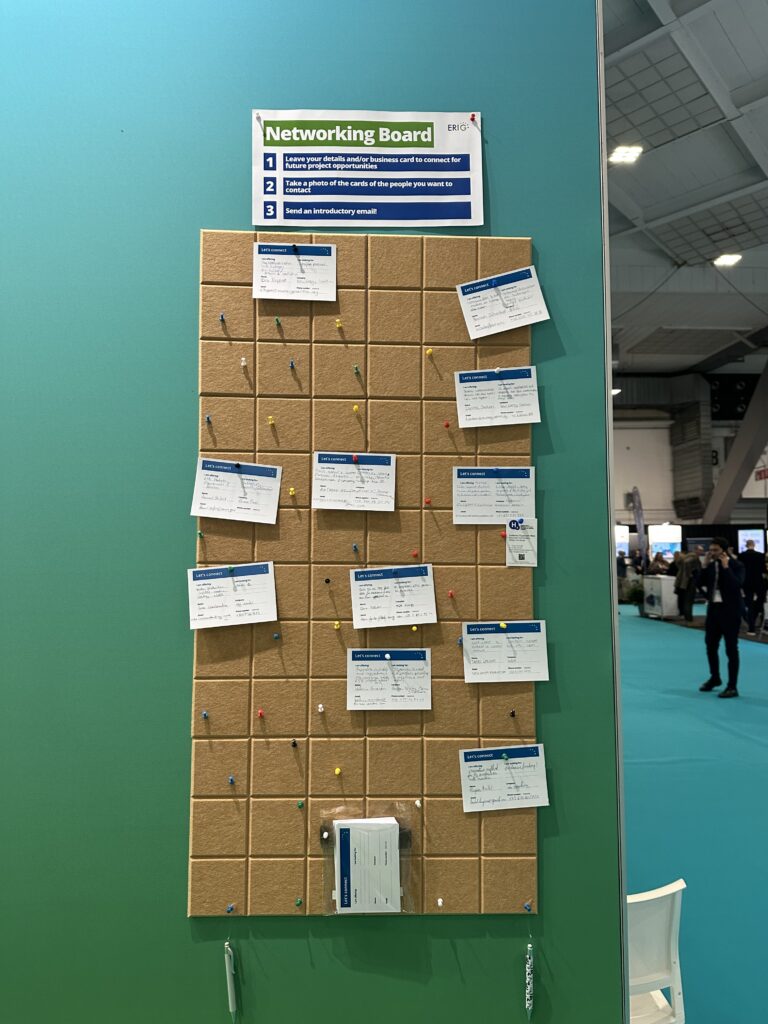
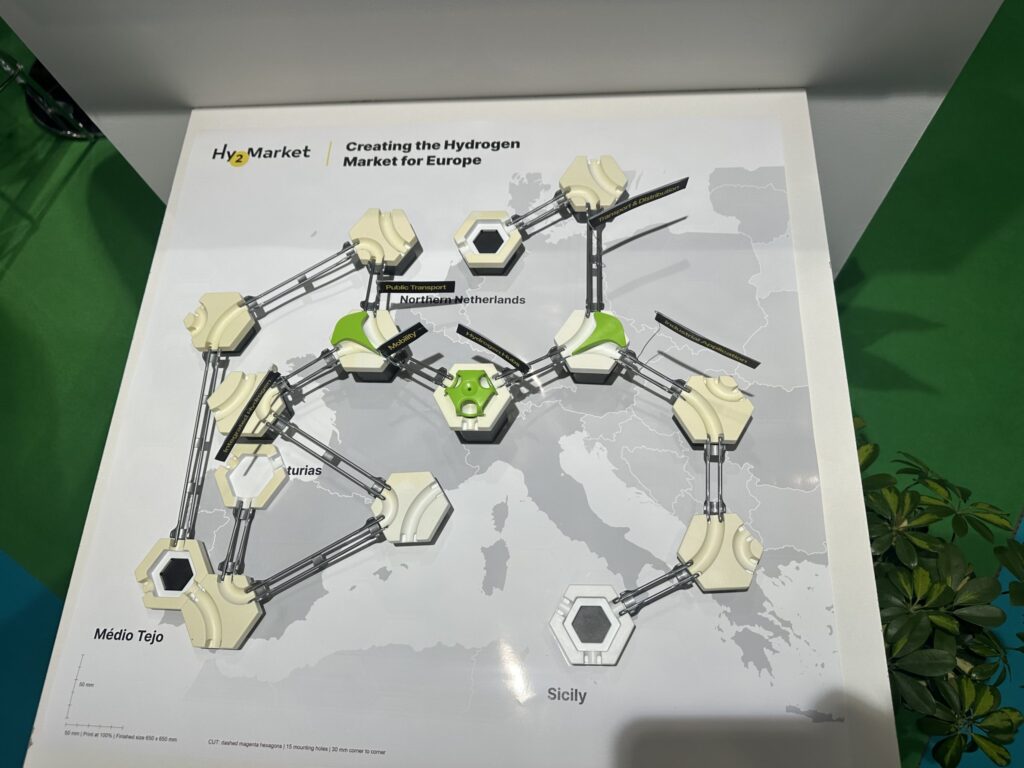
At the front of the stand, the H2 Journey marble run took visitors through the same value chain and gave booth hosts an easy way to start a conversation. A networking board, up for all three days of the conference, collected cards from visitors listing what they were looking for and what they could offer.
Skills and standardisation
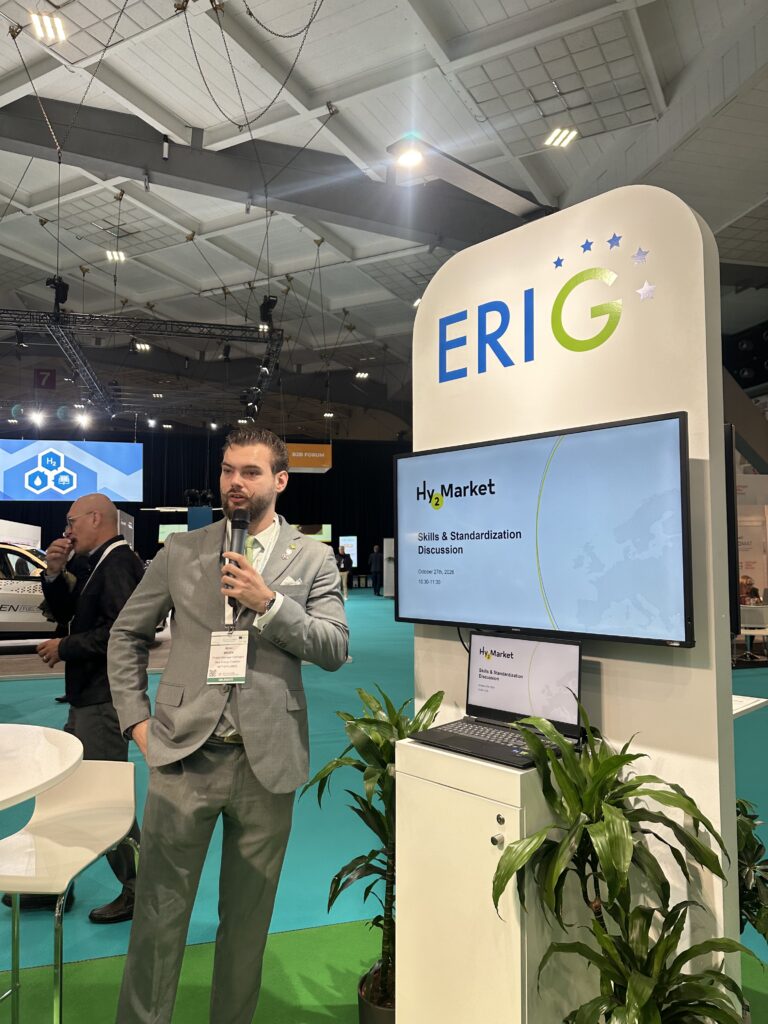
The day opened with a single discussion on skills and standardisation. Beau Broen (New Energy Coalition) presented four statements from Hy2Market’s skills working group (New Energy Coalition, WIVA P&G, CluBE and Business Upper Austria) on how hydrogen companies train their staff. Margherita Matzer (WIVA P&G) presented findings from the project’s 2025 stakeholder survey of 40 respondents in 10 countries on regulatory barriers and enablers.
On skills, participants raised four issues: qualifications are not recognised across borders, hydrogen sites need electrical, chemical and mechanical expertise combined, training knowledge is split across separate projects and centres, and the sector competes for workers with better-paid oil and gas jobs. Participants backed on-the-job learning as the main route into the sector, for new entrants and for workers retraining from oil and gas, and suggested partnering with oil, gas and shipping companies that already work with hydrogen.
On standardisation, participants asked for the same permitting rules across the EU, consistent interpretation of those rules by permitting authorities, and a method for project developers to calculate the cost of regulatory risk. The input feeds Hy2Market’s training guidelines, led by New Energy Coalition, and the D6.2 report on standards and regulations, led by WIVA P&G.
Policy priorities
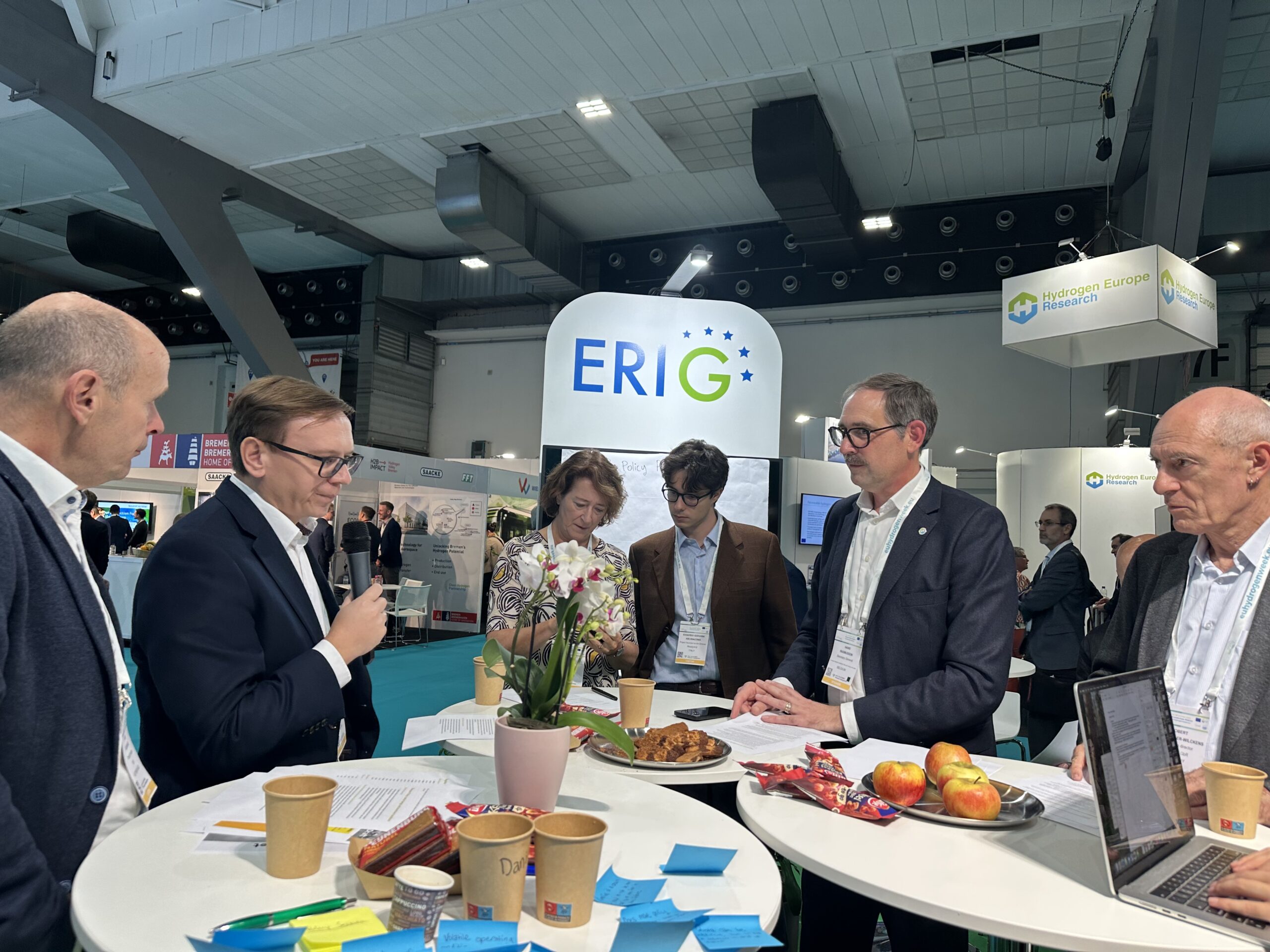
In the afternoon, Hans Rasmusson (ERIG) led a review of the draft Hy2Market policy letter, which sets out barriers and recommendations for the European Commission and Member States. Participants gave feedback in discussion and on the policy board, and visitors added notes to the Policy Priorities wall throughout the day. Participants asked for the letter to:
- treat production, infrastructure and demand under one investment approach, with more weight on infrastructure and demand
- cover low-carbon hydrogen, other renewable and decarbonised gases, CCUS and the heating sector
- name long-term policy predictability, over 10–15 years, as a recommendation in its own right
- refer to distribution grids as well as transmission, and include distribution system operators in the debate
- link skills to market confidence, since companies send fewer staff to training when they doubt hydrogen will scale up
Views differed on how far permitting should be harmonised. Some participants favoured EU-wide rules; others proposed a best-practice handbook for national regulators. The consortium is reviewing the proposed revisions and will share the final letter with participants.
Value chain and future project development
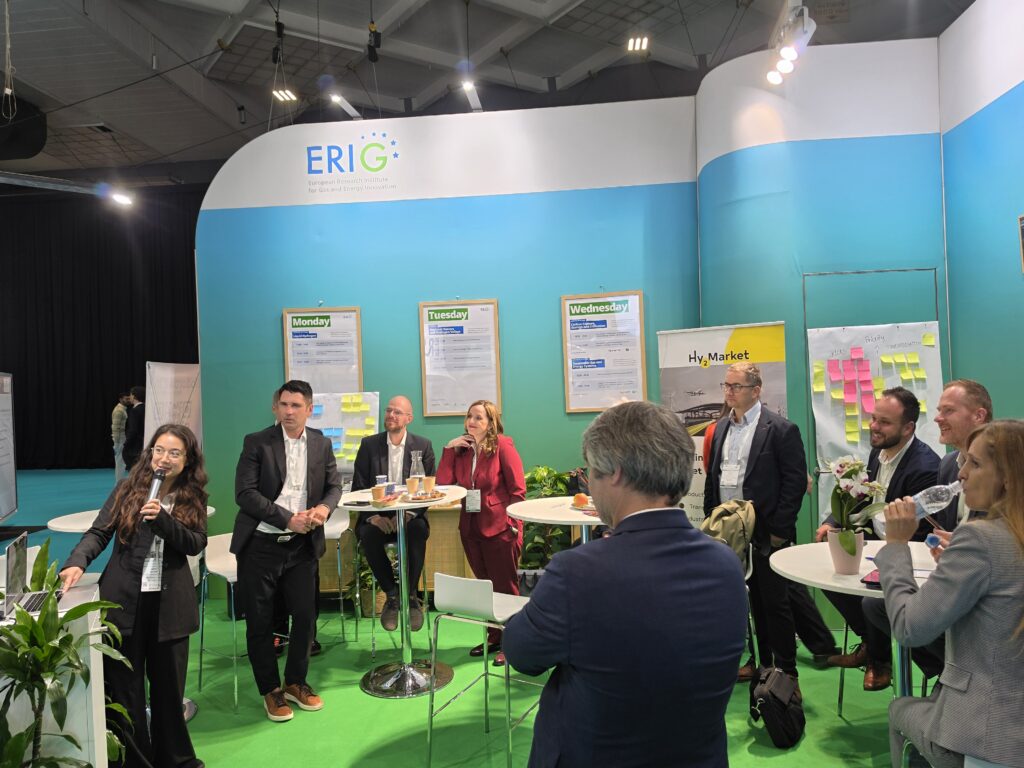
The last session of the day, co-hosted with fellow I3 project ELEVATE-CEE, led by the Slovak Innovation and Energy Agency, looked at how partners can turn separate regional projects into joint, cross-border ones.
József Szuper (ELEVATE-CEE) set out what investors check before committing to a hydrogen project: bankable offtake, a grid connection, proven technology, a closed cost gap and a committed sponsor. Tatiana Block (New Energy Coalition) presented lessons from HEAVENN, the Northern Netherlands hydrogen valley, on spreading demand across markets and investing in shared infrastructure. A DG REGIO representative outlined the timeline for the next I3 funding round, with matchmaking in November 2026 and an April deadline. Four project pitches followed:
- BDN Powertrain: hydrogen retrofits for existing standing diesel and gas engines, looking for industrial partners to host a pilot
- HydroErgon: a hydrogen and green-ammonia hub at Danube run-of-river power plants
- IrRADIARE: the Hydrogen Pact Initiative, a regional pact to develop hydrogen supply and demand together
- Firan: scaling up reinforced thermoplastic pipe for hydrogen networks, building on the Hy2Market pilot pipeline in Deventer with SoluForce
Waste to hydrogen
A day later, Dirk Koppert (New Energy Coalition) led a session at the ERIG stand on producing hydrogen from waste. He presented Hy2Market’s Constanța pilot, which combines pyrolysis with separation and purification, and the project’s deliverables on biodegradable waste conversion, non-combustion hydrogen technologies and synthetic fuels for shipping and aviation. Participants came from the DVGW Research Center, ERIG, Gas Distributors for Sustainability, the Lower Silesian Hydrogen Valley and the EIFHYTECH project.
Participants agreed that each waste stream needs its own conversion route, and that the end use decides whether hydrogen, biomethane or another product has the most value. For non-recyclable materials, avoided disposal fees can make the business case. Fuel cells need high-purity hydrogen and combustion does not, so purifying at the point of use keeps costs down for everyone else. Participants also noted that Europe has no large-scale pilot yet that proves the full waste-to-hydrogen value chain. The input will shape a Hy2Market handbook on converting waste into hydrogen and other value-added gases.
Common threads
One point came up across the sessions: companies need more certainty before they invest. Investors want bankable offtake and stable rules, employers send fewer staff to training when they doubt hydrogen will scale up, and project developers want permitting rules applied the same way in every Member State. Hy2Market’s pilots show that the technology is ready to be put to use. The project’s final recommendations will focus on the policy, skills and regulatory conditions that give companies the certainty to invest.