
Crossing canal and rail: a pioneering hydrogen link in the northern Netherlands
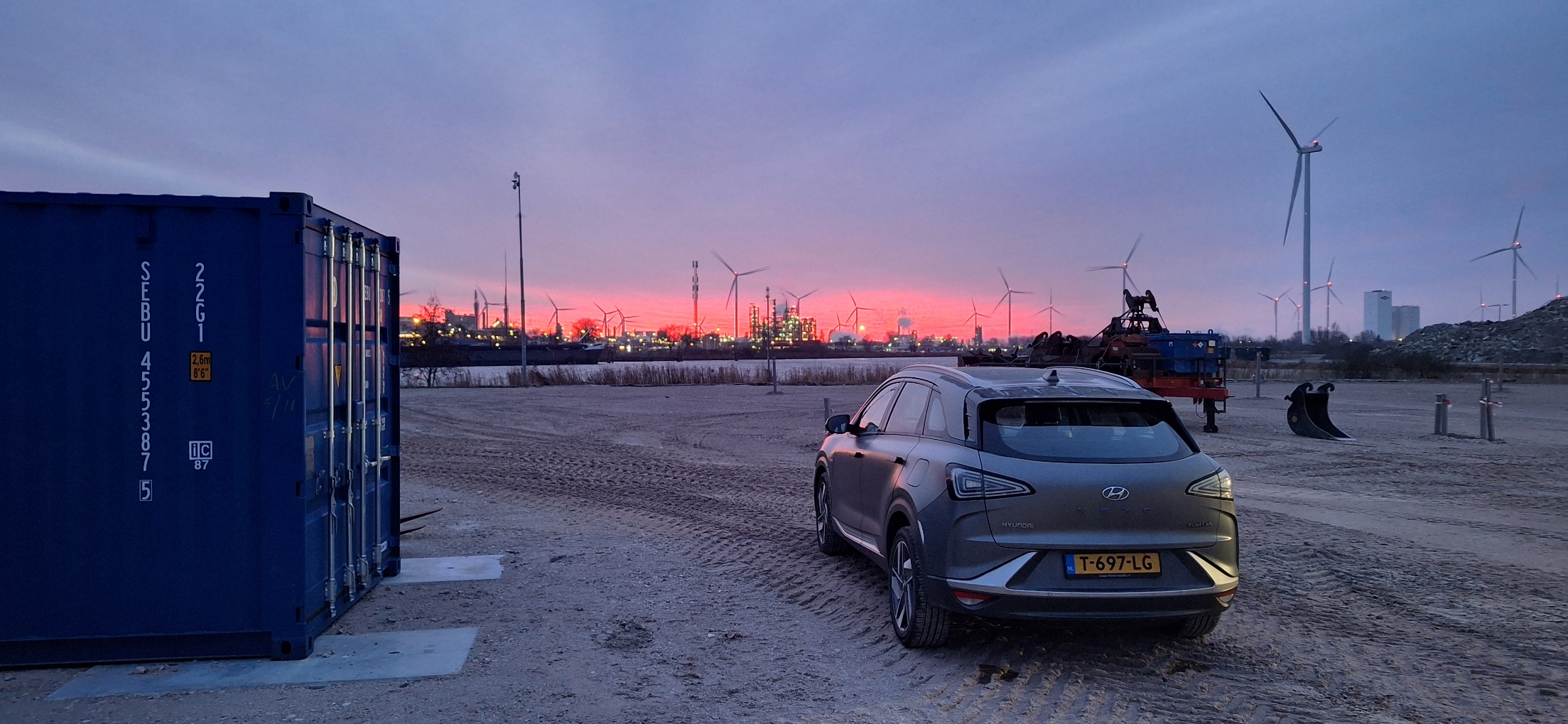
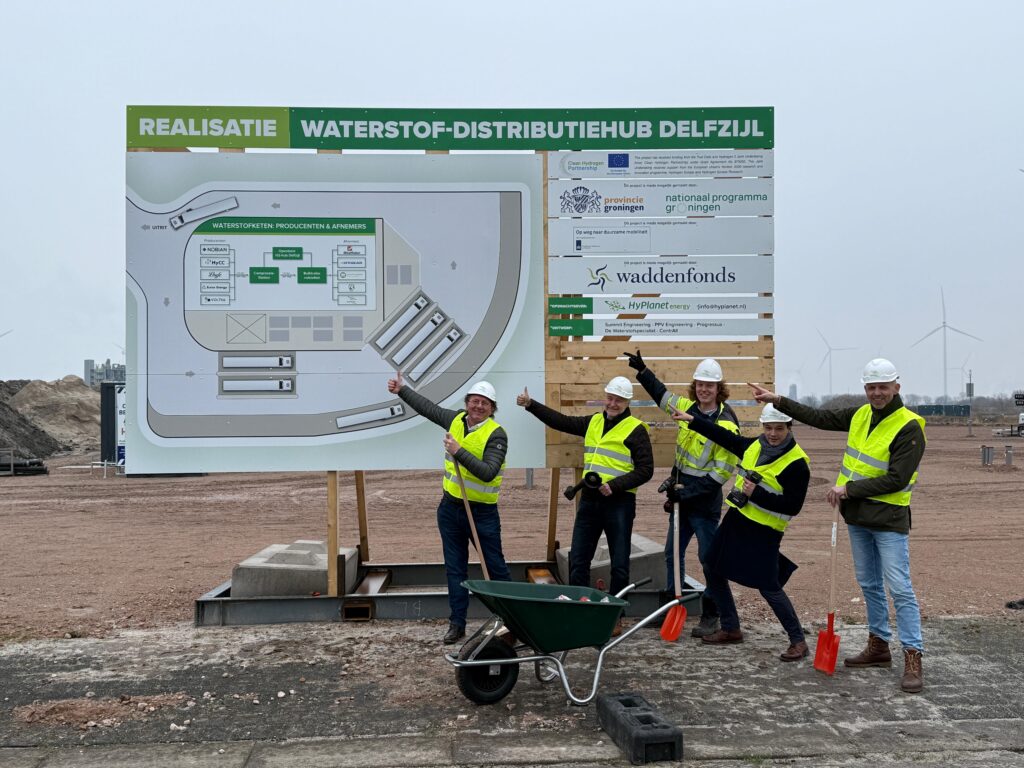
The northern Netherlands has set out to become one of Europe’s first large-scale hydrogen regions, and the port city of Delfzijl sits at its heart. Here, as part of the Hy2Market project, a small but unprecedented piece of infrastructure is taking shape: a pipeline that will carry hydrogen across a canal to a new hub where it can be compressed, stored and shipped onward by road. The work is led by Hy2Market partner HyEnergy TransStore, working alongside project coordinator New Energy Coalition and sustainable mobility company Green Planet.
Why a pipeline, and why under a canal and a railway
Hydrogen is only useful if it can get from the places that make it to the places that need it. At the Delfzijl chemical cluster, hydrogen is produced close to the water’s edge, while the site earmarked for the new hub lies on the far side of a canal. The route must therefore cross not only the canal but also a railway line managed by ProRail, the Dutch national rail infrastructure manager. Threading a hydrogen line beneath both a working waterway and a live railway has, by the project team’s account, never been done before, and it raises the bar on both the engineering and the permitting. Bridging that gap with a pipeline — rather than trucking hydrogen the long way round — is cleaner, cheaper and safer. Getting it right turns a local challenge into a lesson for the rest of Europe.
A pipe you can pull
The solution avoids steel. Instead of welding rigid sections in place, the team is using a flexible composite pipe developed by SoluForce — a hose-like line, reinforced for high pressure and certified specifically for hydrogen. Because it comes in long continuous lengths, it can be “pulled” through a pre-made bore beneath the canal and railway in a single operation, rather than excavated and assembled section by section. That makes installation faster and far less disruptive, and it sidesteps a well-known issue with hydrogen and conventional steel — hydrogen embrittlement, in which hydrogen can make some metals brittle over time. A purpose-built composite pipe is designed to avoid that problem from the start.
Running a hydrogen pipeline directly beneath a working canal and a live railway has never been done before. Proving the composite pipe works here unlocks the same approach for hydrogen hubs across Europe.
From by-product to bulk delivery
The pipeline is one link in a longer chain. At one end is hydrogen produced in the region — including hydrogen recovered as a by-product at the Nobian chlor-alkali plant, and green hydrogen made by splitting water with renewable electricity. The pipeline feeds this hydrogen to the new Delfzijl hub, where a trailer-filling station compresses and purifies it before loading it into large tube trailers. Those trailers then carry the hydrogen by road to customers across the northern Netherlands — fuelling trucks, buses, vessels and industry that have no pipeline of their own. Construction began in December 2025, with commissioning targeted for the end of 2026 and full operation expected in the second quarter of 2027. The station is designed to handle more than 2,000 kilograms of hydrogen a day at the outset, with a possible scale-up to 5,000–6,000 kilograms as demand grows.
The project’s assets and operations are split across two companies, both owned by Green Planet Corporate. HyEnergy TransStore, the Hy2Market project partner, is the asset owner of the hydrogen hub and the pipeline, while HyPlanet is the commercial company that operates the bulk trailer-filling station. Green Planet itself is the energy-station operator and mobile-energy organisation. The work is backed by a coalition of public and private partners, among them the EU’s Clean Hydrogen Partnership, New Energy Coalition, ABN AMRO, the Dutch Ministry of Infrastructure and Water Management, the Wadden Fund and the National Programme Groningen.
Why it matters beyond Delfzijl
This is precisely the kind of demonstration Hy2Market exists to support. The project brings together partners from ten European regions to build the missing pieces of a hydrogen market — not just producing hydrogen, but moving, storing and selling it. By documenting how the canal-and-rail crossing is designed, installed and operated, the Delfzijl pilot creates a blueprint that other regions can copy, whether they are crossing a canal, a road or a river. It also feeds directly into Europe’s wider goal of becoming less dependent on imported fossil fuels. For a continent that has felt the sharp end of volatile energy prices, a proven way to connect hydrogen supply to hydrogen demand is worth far more than the modest length of pipe involved.
This work is being carried out within the Hy2Market work package on hydrogen transport and co-funded by the Hy2Market project, with support from the European Union.